


BMW Models that Qualify for Section 179 Tax Deduction
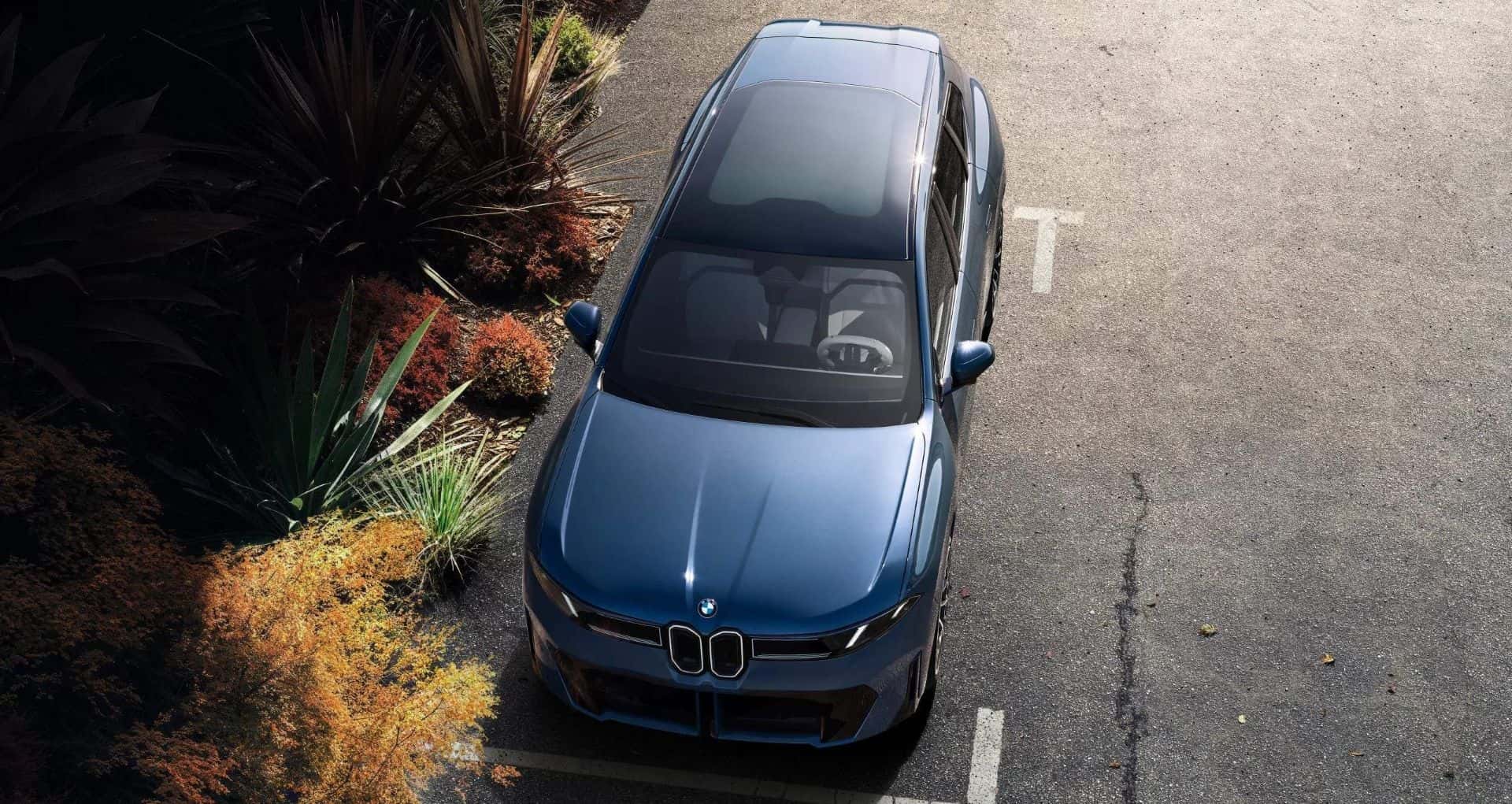
Maximize Your Business Tax Savings with Crevier BMW
Business owners have the opportunity to make their next BMW purchase even more rewarding. These provisions allow qualifying businesses to deduct a substantial portion—or even the full cost—of eligible vehicles in the year they are placed in service.
The newly enacted tax law changes permanently reinstate the 100% bonus depreciation deduction for property acquired and placed in service after Jan. 19, 2025.
Eligible BMW Models:
- X5
- X6
- X7
- iX
- XM
- iX3
- i7 xDrive60
As a result, business owners who purchase a model listed in the chart above on or after January 20, 2025 for use in their business may deduct up to 100% of the vehicle purchase in the year the vehicle is placed in service, as the IRS categorizes vehicles that weigh more than 6,000 pounds differently from other passenger automobiles subject to the luxury auto depreciation limitations.
The applicable 6,000-pound threshold is based on gross vehicle weight rating (GVWR) for SAVs/SUVs and unloaded gross vehicle weight for passenger automobiles, such as the BMW i7 xDrive60.
Example:
- BMW X5 sDrive40i Purchase Price: $70,000 with 100% Business Use
- A 100% bonus depreciation deduction ($70,000 x 100%) = $70,000.
This presents a substantial tax savings opportunity for business owners. To qualify, the vehicle must be one of the models listed above, must be purchased (not leased), and must be used at least 50% for business purposes.
This deduction applies to both new and used vehicles acquired by purchase, so long as the acquiring taxpayer had not previously used the acquired vehicle and did not acquire the vehicle from a related party.
-
CA State tax treatment may differ:
-
- State conformity: California does not fully conform to federal depreciation rules. For example, California generally does not allow bonus depreciation and limits Section 179 deductions compared to federal rules. Confirm with your tax advisor for any state-specific adjustments.
- Registration and business use: The vehicle must be titled and registered in the business name and used primarily for business purposes to qualify for these deductions under California law.
Tax laws can be complex and subject to change. Individual circumstances vary, so consult your tax advisor to confirm eligibility and ensure compliance with both IRS and California state guidelines. The information presented was accurate at the time of publishing but may not reflect subsequent changes in federal or California tax law. Federal and state rules, including Section 179 and depreciation guidelines, are subject to change. Always consult your tax advisor for complete details on rules applicable to your business. California-Specific Considerations California does not fully conform to federal bonus depreciation rules under IRC Section 168(k). Bonus depreciation is generally disallowed, and Section 179 deductions are subject to lower state limits. Vehicles must be titled and registered in the business name and used primarily for business purposes to qualify for deductions under California law. Vehicle Classification: BMW X5, X6, and X7 SUVs with a Gross Vehicle Weight Rating (GVWR) of more than 6,000 pounds are classified as “Heavy SUVs.” GVWR is the manufacturer’s rating of the vehicle’s maximum weight when fully loaded with people and cargo. Depreciation Reminder: Luxury vehicle depreciation limits may apply. For federal purposes, depreciation can continue at $19,800 in year two, $11,900 in year three, and $7,160 in subsequent years until the vehicle is fully depreciated or sold. California limits may differ. Comparisons are based on Section 179 and 168(k) of the Internal Revenue Code for vehicles placed in service by January 1, 2026 and used 100% for business purposes. California rules differ—consult your tax professional for exact recommendations and eligibility.